Chiruran Butai Home

Category

Feature

20 articles

Dressed to Narrate: How Japanese Theater's Costume Traditions Are Pushing American Designers Beyond Pure Spectacle

Dressed to Narrate: How Japanese Theater's Costume Traditions Are Pushing American Designers Beyond Pure Spectacle

In Japanese theatrical traditions, a garment is never merely decorative — it is a sentence, a chapter, sometimes an entire story told without words. As American costume designers increasingly look eastward for inspiration, the principles embedded in Kabuki's layered silks and Noh's restrained robes are prompting a fundamental rethinking of what stage dress is actually for.

Composing With Quiet: How Japanese Theater Transforms Silence Into Its Most Powerful Performer

Composing With Quiet: How Japanese Theater Transforms Silence Into Its Most Powerful Performer

Across centuries of Noh, Butoh, and contemporary Japanese stage practice, silence has never been treated as an absence to be filled but as a living compositional element that invites audiences into active creative partnership. As American sound designers and directors increasingly grapple with the limits of spectacle-driven production, the Japanese stage offers a counterintuitive and deeply instructive model. This feature examines how sonic emptiness functions as choreography, and why trusting a

When the Body Speaks First: How Japanese Theater's Codified Physicality Is Giving American Actors a Language Beyond Dialogue

When the Body Speaks First: How Japanese Theater's Codified Physicality Is Giving American Actors a Language Beyond Dialogue

Long before a single word is spoken on the Japanese stage, the body has already delivered its full testimony. American actors trained in dialogue-first traditions are discovering that the rigorous physical vocabularies of Kabuki, Butoh, and Noh offer something their conservatory years rarely provided: a precise, repeatable grammar of movement capable of expressing psychological states that speech alone cannot reach.

The Art of the Held Breath: What Japanese Theater's Strategic Stillness Is Teaching American Actors About True Stage Presence

The Art of the Held Breath: What Japanese Theater's Strategic Stillness Is Teaching American Actors About True Stage Presence

In an era defined by spectacle and constant motion, a growing number of American stage performers are turning to the ancient Japanese art of deliberate stillness to command audiences without uttering a word or taking a step. From the glacial pauses of Noh to the suspended gravity of Butoh, these traditions are quietly redefining what it means to hold a room. Chiruran Butai examines how the choreography of silence is becoming one of the most sought-after skills in contemporary American theater.

From Rivalry to Repertory: How Japanese Theater's Collective Ethos Is Offering Broadway a Way Out of Its Burnout Epidemic

From Rivalry to Repertory: How Japanese Theater's Collective Ethos Is Offering Broadway a Way Out of Its Burnout Epidemic

Broadway's grueling culture of individual competition has long extracted an enormous personal toll from its performers and directors. A growing number of American theater practitioners are turning to Japanese ensemble principles—rooted in shared creative ownership and collective responsibility—as an unexpected antidote. The results, by nearly every measure, are striking.

Still Faces, Infinite Feeling: What Noh Theater's Discipline of Restraint Reveals About True Emotional Depth

Still Faces, Infinite Feeling: What Noh Theater's Discipline of Restraint Reveals About True Emotional Depth

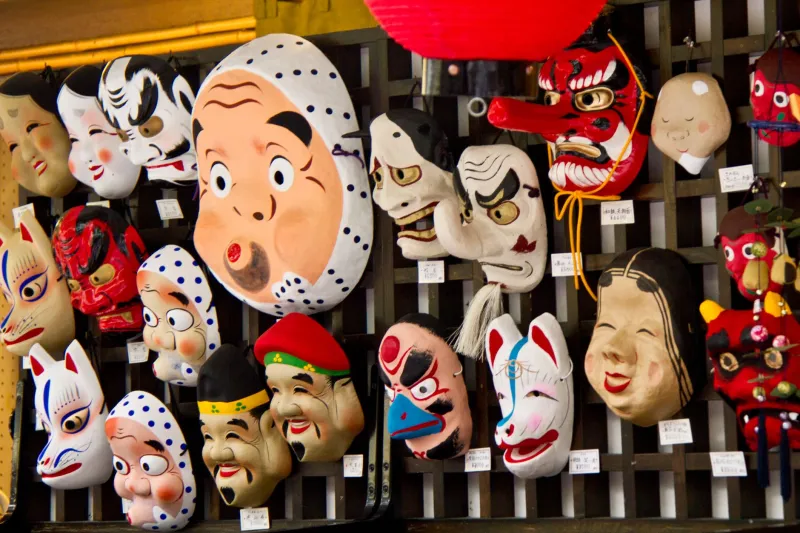
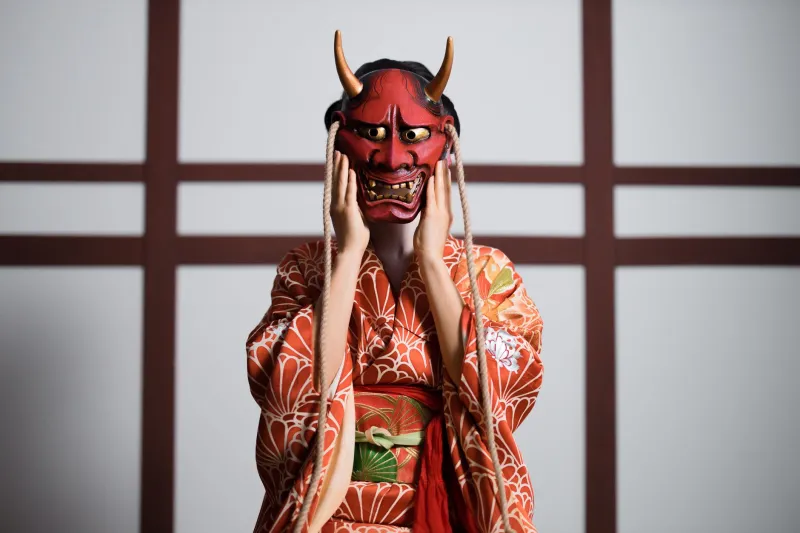
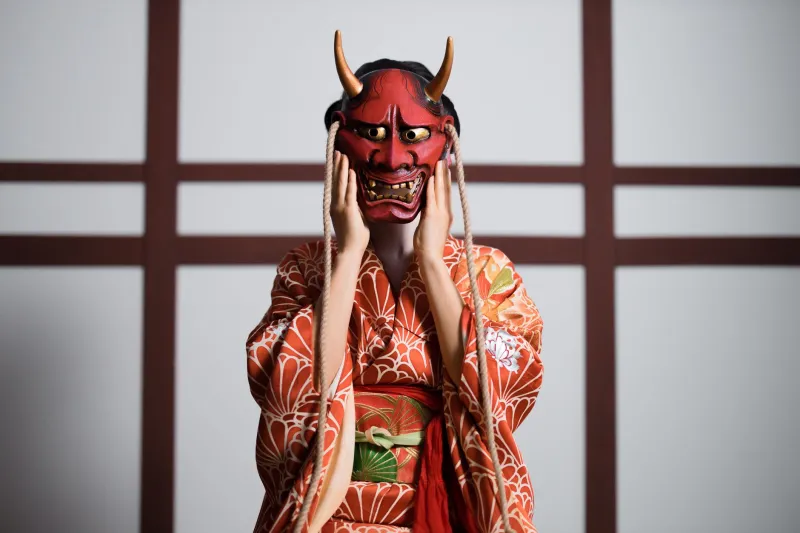
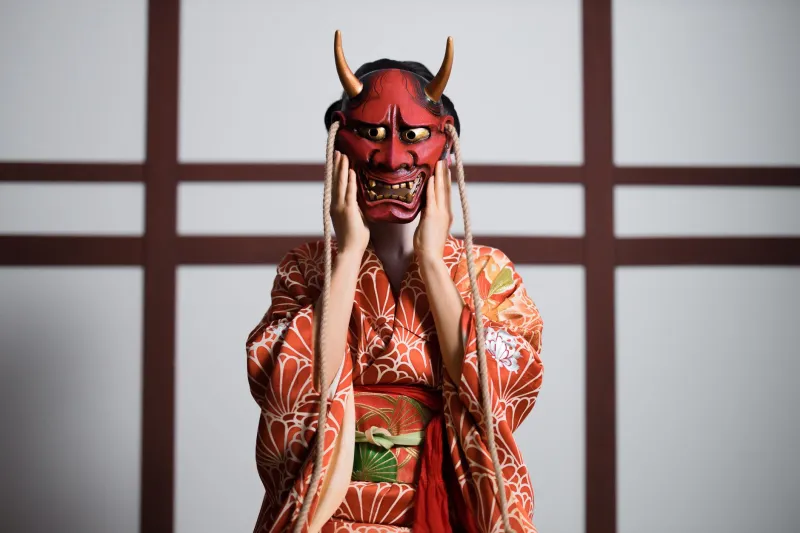
At first glance, the carved wooden mask of a Noh performer seems incapable of expressing anything at all. Yet seasoned observers consistently report being moved to tears by a performance in which the actor's face never changes. American actors trained in the expressive traditions of Stanislavski and Meisner are increasingly turning to this paradox as a portal into a more authentic, more layered approach to emotional performance.

Slow Motion, Radical Welcome: How Butoh Is Quietly Solving American Theater's Accessibility Problem

Slow Motion, Radical Welcome: How Butoh Is Quietly Solving American Theater's Accessibility Problem

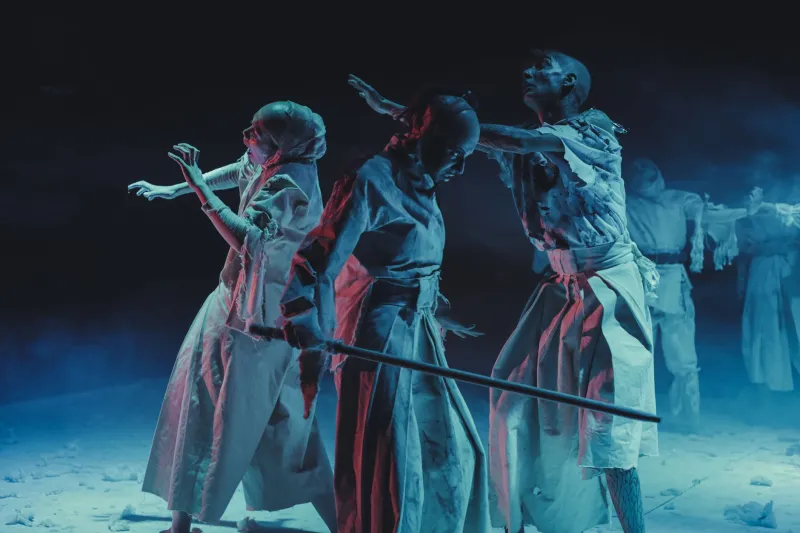
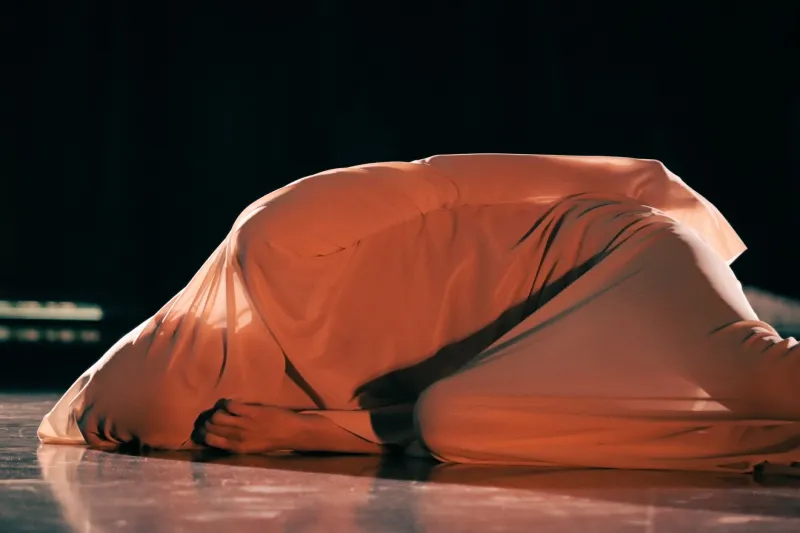
In rehearsal studios and black-box theaters across the United States, an unexpected alliance is forming between butoh practitioners and accessibility advocates. The ancient Japanese dance form's deliberate pace, minimal sensory overload, and non-narrative structure are proving to be remarkable tools for welcoming neurodivergent and disabled audiences into the performing arts. Chiruran Butai examines why this centuries-rooted tradition is becoming one of American theater's most progressive forces

Less Is More: How Japanese Performance Principles Are Quietly Revolutionizing Broadway Choreography

Less Is More: How Japanese Performance Principles Are Quietly Revolutionizing Broadway Choreography

A quiet revolution is unfolding in American musical theater, as Broadway choreographers increasingly draw from the restrained, precision-driven movement vocabularies of Noh and Butoh. Where spectacle once reigned supreme, a new generation of movement artists is discovering that a single withheld gesture can carry more emotional weight than a full ensemble number. Chiruran Butai examines how Japanese performance philosophy is reshaping the very grammar of Broadway movement.

Thunder From the East: How Taiko Drumming Is Rewriting the Rules of American Concert Performance

Thunder From the East: How Taiko Drumming Is Rewriting the Rules of American Concert Performance

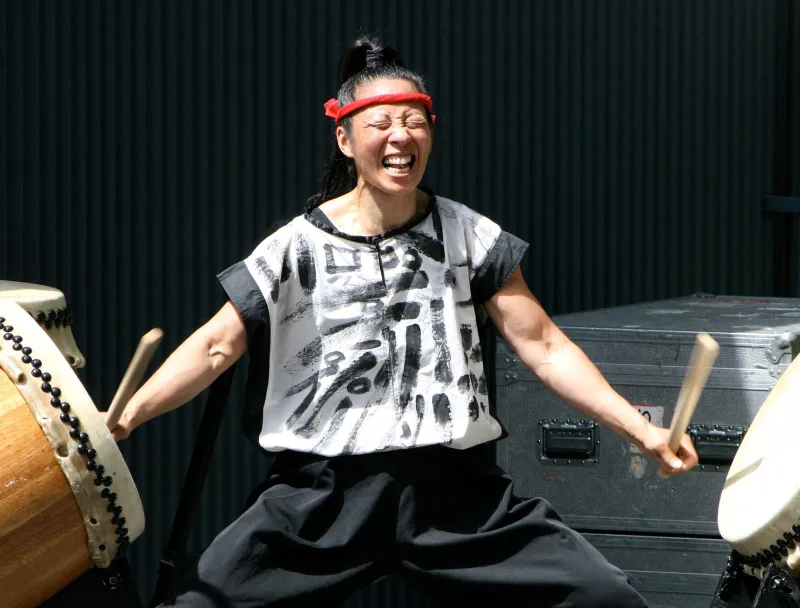
Taiko drumming has moved well beyond the boundaries of Japanese cultural festivals, commanding stages at American symphony halls, rock arenas, and avant-garde performance spaces. This ancient percussive tradition is not merely entertaining new audiences — it is fundamentally challenging how American musicians understand the body, sound, and collective artistry. From emerging ensembles to classically trained percussionists discovering a new vocabulary, the taiko revolution is already underway.

Close Quarters, Profound Impact: How Intimate American Venues Are Unlocking the Soul of Japanese Theater

Close Quarters, Profound Impact: How Intimate American Venues Are Unlocking the Soul of Japanese Theater

Across the United States, a quiet revolution is unfolding in black box theaters, converted warehouses, and repurposed temple rooms. Japanese theatrical traditions—from the comedic precision of Kyogen to the emotionally raw currents of Shinpa—are finding their most resonant American homes not on Broadway's grand stages, but in spaces where performers and audiences share the same breath.

Unmasking the Actor: How Kabuki's Onnagata Tradition Is Liberating American Men on Stage

Unmasking the Actor: How Kabuki's Onnagata Tradition Is Liberating American Men on Stage

A centuries-old Japanese performance discipline, once confined to the kabuki stage, is finding unexpected resonance among American male actors seeking deeper emotional range. The onnagata tradition — in which male performers specialize in female roles — is proving to be far more than an exercise in imitation, emerging instead as a rigorous pathway toward physical and psychological authenticity.

Breathing Room: What American Directors Are Learning From Japan's Theater of Silence

Breathing Room: What American Directors Are Learning From Japan's Theater of Silence

In an era when American stages are crowded with rapid-fire dialogue and relentless pacing, a quieter revolution is underway. A growing number of US directors are turning to the deliberate silences and rhythmic restraint of Japanese theatrical traditions — and discovering that what is left unspoken can carry more weight than any scripted line.

Behind the Mask of Femininity: How Onnagata Masters Are Redefining Gender on the American Stage

Behind the Mask of Femininity: How Onnagata Masters Are Redefining Gender on the American Stage

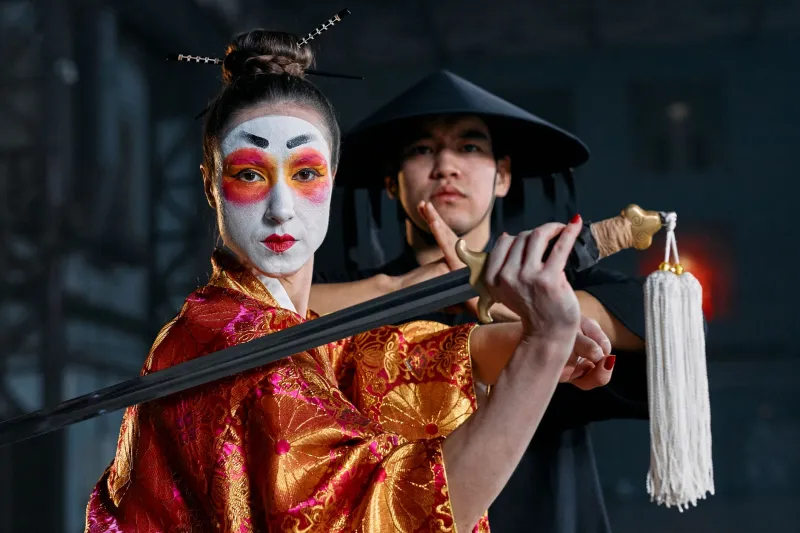
For centuries, kabuki's onnagata tradition has entrusted the portrayal of womanhood to male performers trained in a discipline far more demanding than simple costume and gesture. As American audiences encounter this art form with increasing frequency, theater scholars and practitioners are asking a provocative question: does the onnagata's deliberate artifice reveal something about femininity that naturalistic casting simply cannot?

The Power of Nothing: How Japanese Stagecraft's Empty Space Is Remaking American Avant-Garde Theater

The Power of Nothing: How Japanese Stagecraft's Empty Space Is Remaking American Avant-Garde Theater

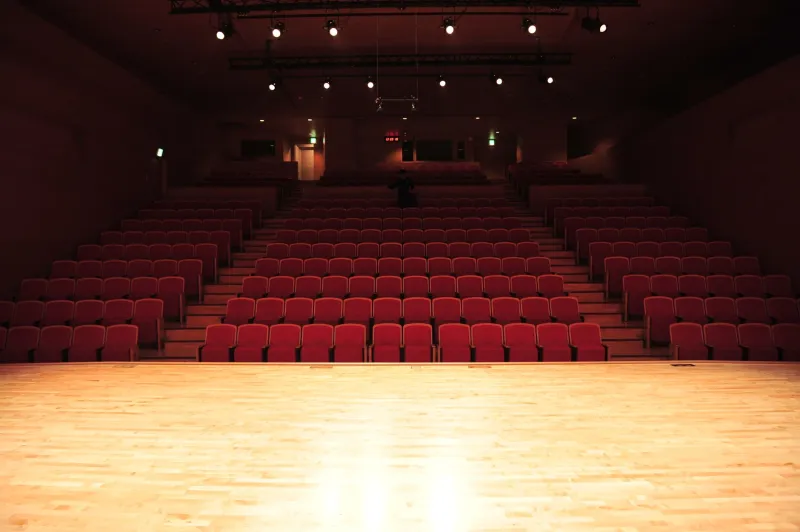
Across American experimental theater, a quiet revolution is underway — one measured not in spectacle but in deliberate absence. Directors and designers working outside Broadway's mainstream are drawing from Japanese theatrical philosophy to create productions where a single prop, an unlit corner, or a stretch of bare stage floor carries more emotional weight than any elaborate set. This investigation examines how the principles underlying noh, butoh, and contemporary Japanese stage design are re

Ancient Roots, Modern Stages: How Japanese Performance Traditions Are Reshaping American Theater

Ancient Roots, Modern Stages: How Japanese Performance Traditions Are Reshaping American Theater

From the stark, stylized movements of noh to the visceral physicality of butoh, Japanese theatrical traditions are quietly transforming how American directors and performers conceive of storytelling. A growing cohort of US-based theater artists trained in these disciplines is bringing centuries-old techniques to Broadway and beyond, producing some of the most visually and emotionally arresting productions audiences have seen in years.