The Takarazuka Effect: How Japan's All-Female Revue Is Quietly Reshaping the American Musical
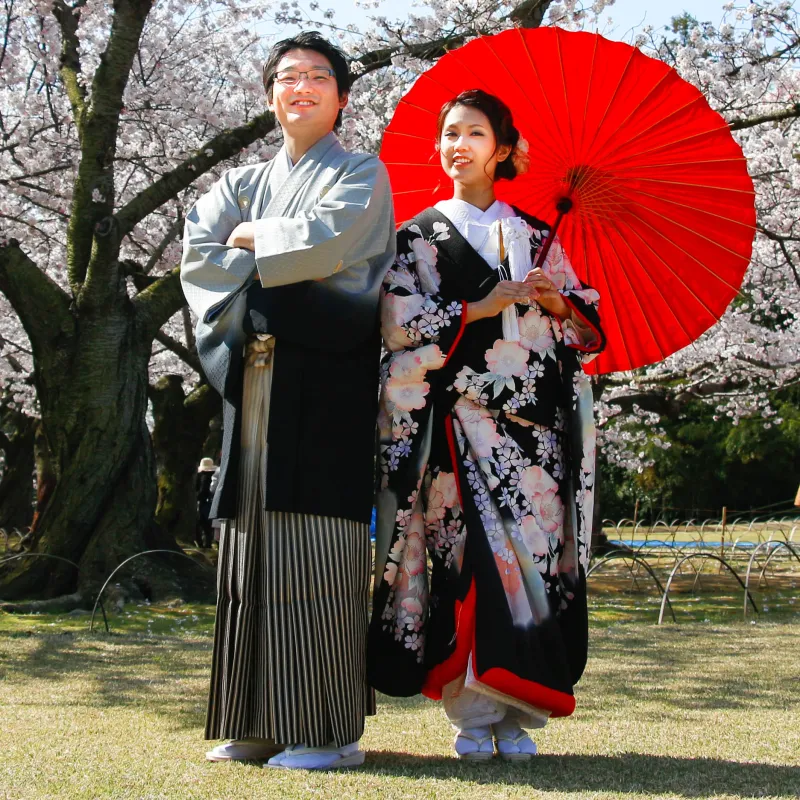
Photo: Japanese all-female theatrical revue elaborate costume stage performance musical, via www.goodfreephotos.com
If you have spent any time in the orbit of American musical theater over the past several years, you may have noticed a subtle but persistent shift in how certain productions approach spectacle, ensemble storytelling, and the visual grammar of performance. Productions that seem to prioritize a kind of collective glamour over individual star power. Choreography that treats the entire company as a single, breathing organism. Costume design of almost hallucinatory elaborateness. These qualities have multiple sources, of course, but one of the less-discussed influences behind this aesthetic evolution is a century-old Japanese institution that most American theatergoers have never seen live: the Takarazuka Revue.
Founded in 1913 in the city of Takarazuka, just outside Osaka, the Revue operates on a premise that sounds, to Western ears, both familiar and entirely alien. Its productions — which range from adaptations of Western musicals and classic literature to original stories drawn from anime, manga, and Japanese history — are performed exclusively by women. Female performers play every role, including the male leads, who are portrayed by a specialized class of performer known as the otokoyaku. The result is a theatrical experience defined by extraordinary technical discipline, an aesthetic of heightened, almost operatic beauty, and a fan culture of legendary intensity.
Understanding the Takarazuka Model
For American readers approaching this tradition for the first time, a brief orientation is useful. The Takarazuka Revue is not a single company but a constellation of five permanent troupes — Flower, Moon, Snow, Star, and Cosmos — each with its own roster of performers and distinct artistic personality. The Revue operates its own training academy, the Takarazuka Music School, which accepts a small number of students each year through a famously competitive audition process. Students spend two years in intensive training before joining one of the troupes, where they will spend their entire performing careers — careers that end, by tradition, when a performer marries.
This structure produces a company of extraordinary cohesion and technical polish. Every performer has been trained in the same institution, to the same exacting standards, in the same artistic vocabulary. The ensemble quality that results is immediately apparent to any audience member, even one unfamiliar with the tradition's history.
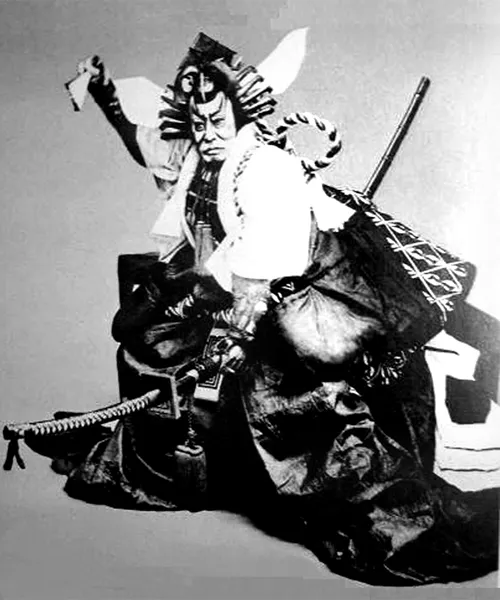
The otokoyaku — those performers who specialize in male roles — occupy a particularly fascinating position within this ecosystem. They are, in many respects, the Revue's biggest stars, commanding the most devoted fan followings and the most prominent billing. Their portrayal of masculinity, like the onnagata's portrayal of femininity in kabuki, is highly codified and idealized — a construction of male elegance and romantic heroism that often surpasses what audiences might recognize from everyday life.
What American Theater Is Borrowing
The direct influence of Takarazuka on American musical theater is difficult to trace through a single clear lineage, but its presence is increasingly acknowledged by practitioners across the industry. Choreographers who have studied or observed Takarazuka productions frequently cite the Revue's approach to large-scale ensemble movement — the way an entire company of performers can function as a visual unit while each individual maintains a precise and expressive physical clarity — as a model they return to when working on productions that require both spectacle and emotional specificity.
Casting directors in New York and Los Angeles have noted a growing interest, particularly among younger producers, in ensemble-driven productions that resist the traditional star vehicle model. While this tendency has multiple sources, several have specifically referenced Takarazuka as an example of how a company-based approach can generate both artistic excellence and passionate audience loyalty. "There is something about the Takarazuka model that reframes the relationship between performer and audience," observed one New York-based casting director who requested anonymity. "The audience's devotion is to the company as much as to any individual. That is a different kind of theatrical relationship, and it produces a different kind of energy in the room."
The Revue's visual aesthetic — its elaborate costumes, its grand staircases, its signature finale sequences in which the entire company descends in a cascade of feathers and sequins — has also found its way into American productions through the work of designers who have studied or been inspired by Takarazuka's approach. Several Broadway costume designers have cited the Revue's commitment to maximalist visual spectacle as an influence on their own work, noting that Takarazuka demonstrates how theatrical excess, when executed with precision and intentionality, can become a form of emotional communication rather than mere decoration.
Fan Culture as a Model for Engagement
Perhaps the most underappreciated aspect of Takarazuka's potential relevance to American theater is its fan culture. The Revue's devotees — known as Takarasiennes, a term applied to both performers and fans — represent one of the most organized and passionately engaged theatrical audiences in the world. They maintain elaborate hierarchies of appreciation, develop deep personal relationships with specific performers, and support the Revue through a system of attendance, merchandise purchasing, and communal activity that sustains the institution financially and culturally.
American theater producers struggling to build sustainable audience relationships in the post-pandemic landscape have begun to examine this model with genuine interest. The question of how to cultivate the kind of devoted, repeat-attending audience that Takarazuka has maintained for over a century is one that resonates deeply with anyone working to sustain live theater in the current economic environment.
Several regional theaters in the United States have experimented with fan engagement strategies drawn loosely from the Takarazuka model — creating opportunities for audiences to develop ongoing relationships with specific performers or companies, building communities around shared enthusiasm rather than individual productions. The results, while still preliminary, suggest that the Revue's approach to audience cultivation offers genuine lessons for American institutions.
Where to Begin: A Practical Guide for the Curious
For American theatergoers who wish to explore Takarazuka directly, access has never been easier. The Revue maintains an official international presence, and many productions are available through streaming platforms with English subtitles. The following entry points are recommended for those new to the form:
- "The Rose of Versailles" (Berusaiyu no Bara): Perhaps the Revue's most iconic production, adapted from a beloved manga series set during the French Revolution. It encapsulates the Takarazuka aesthetic with particular clarity and emotional power.
- Recent otokoyaku showcases: Searching for compilation videos featuring prominent otokoyaku performers offers an efficient introduction to the distinctive physical and vocal vocabulary of male-role specialists.
- Fan community resources: English-language Takarazuka fan communities, active on several social media platforms, provide accessible context and enthusiastic guidance for newcomers.
The Conversation Continues
The influence of Takarazuka on American musical theater remains a developing story rather than a concluded one. As more American practitioners encounter the Revue — through travel, through streaming, through the growing body of English-language scholarship on Japanese performing arts — the conversation about what this extraordinary institution has to teach the American stage will only deepen.
What seems clear already is that the Takarazuka model offers something genuinely valuable to a theatrical culture in search of new frameworks: a demonstration that all-female ensembles, far from being limiting, can produce a range and depth of performance that challenges every assumption about who gets to tell which stories, and how.